

Technology has always been a crucial part of innovation across many industries. With advancements in computer logic and chip construction, digital services are more useful than ever.
By using automated systems, companies can leverage new insights to reduce overhead costs and prevent waste. Learn more about the industries most impacted by automation technology.
Retail businesses generally prefer to focus their attention on customer satisfaction to drive sales and improve brand recognition. However, staying competitive in a growing field can be challenging, especially when a business doesn’t have the resources to offer additional support to their clients.
Automation technologies are changing all of that by giving retailers access to advanced support services that can be deployed through multiple channels. Delivering chat support and responding to queries immediately is easier than ever with the right tech in place. Even the smallest businesses can now offer personalized shopping experiences that track customer information and preferences, making checkouts a breeze.
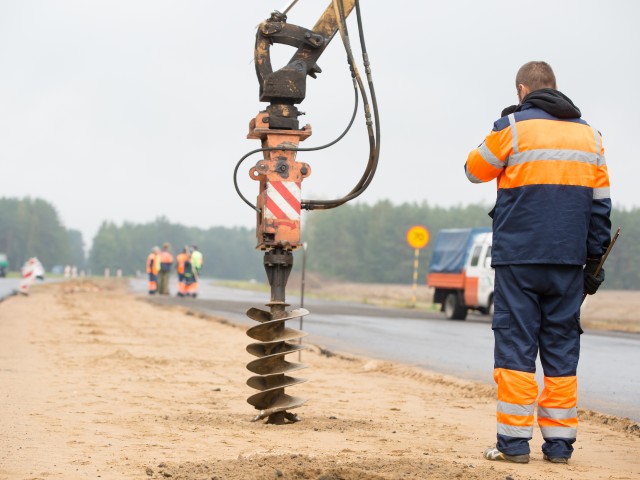
Construction is another industry that’s been impacted by the availability of automation technologies. Robots can be programmed to quickly and efficiently perform menial tasks that are traditionally time-consuming and wear on workers. Welding, pouring concrete, and material handling can be automated to reduce costs and make work safer for crews.
Automation technologies provide complementary services that help improve efficiency and productivity across the board. Today, automation is slowly transforming construction by giving workers the tools they need to optimize scheduling, management, and cost control, allowing them to do more with less.
The automotive industry has long been an early adopter of advanced technologies that can help auto businesses produce more vehicles with less effort. It’s no different with automation tech—automated services can work around the clock to churn out vehicles, making them an excellent investment for automakers.
Using automation to complete precise tasks helps reduce waste and allows workers to focus on more complex jobs. Assembly arms, robotic processes, and AI are being leveraged across the industry to streamline operations and eliminate errors. While each approach has its advantages, a fully integrated system offers the best efficiency.
Many companies are switching to automation due to the benefits it brings to productivity, efficiency, and worker safety. While there are many fallacious concerns about automation replacing humans, it’s often employed as a complementary service to make workers’ lives easier.
When looking at the industries most impacted by automation technology, it’s evident that intelligent integration of automated services makes life better for employers and their employees.
24World Media does not take any responsibility of the information you see on this page. The content this page contains is from independent third-party content provider. If you have any concerns regarding the content, please free to write us here: contact@24worldmedia.com