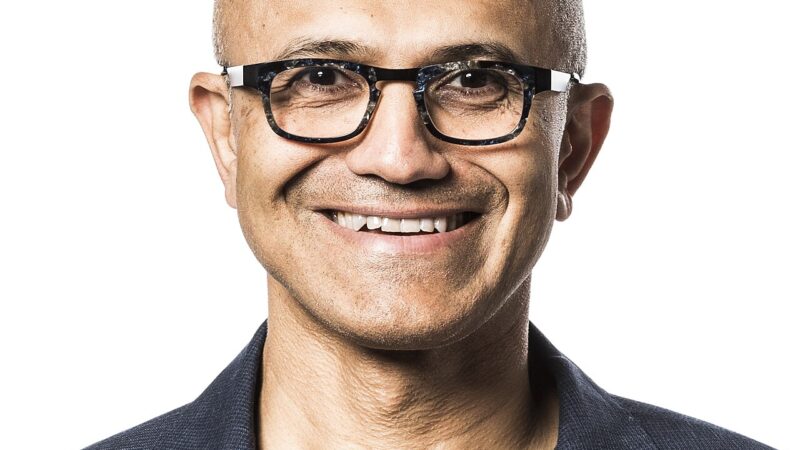
Nik Storonsky has never hidden his impatience with the London stock market. The Revolut co-founder and chief executive has said again that, given the choice for a primary listing, he would favour the United States — a position he has staked out while his company, valued at about $115 billion, waits on a US banking charter that would complete its transatlantic architecture.
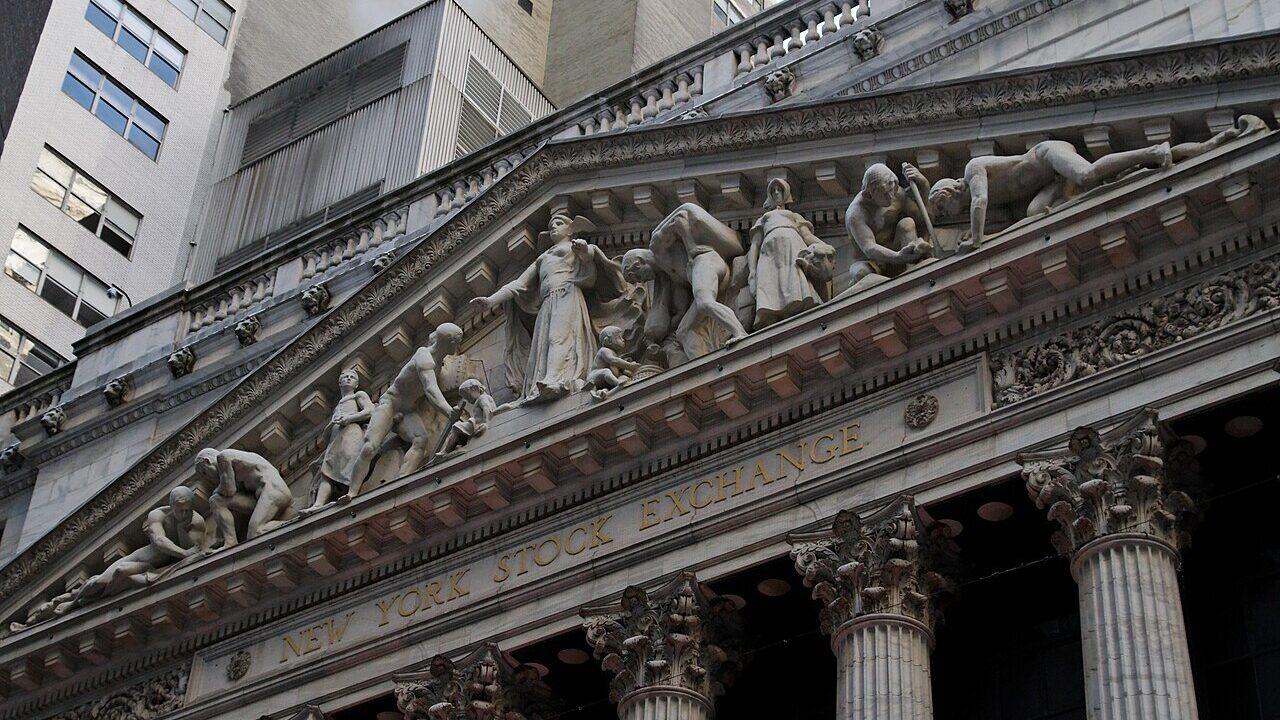
The valuation alone makes the decision consequential. A $115 billion Revolut would be one of the largest listings of the decade anywhere it lands, and Storonsky’s preference lands in the middle of a long British anxiety: London built Europe’s biggest fintech, and Europe’s biggest fintech would rather ring the bell in New York. The arguments he and executives like him make are by now familiar — deeper liquidity, richer valuations for growth companies, an investor base that prices ambition rather than discounting it.
Revolut has spent years assembling the regulatory pieces of a global bank: licences across Europe, an expanding US operation, and the pending charter that would let it operate as a full American bank rather than through partners. A US listing would sit naturally on top of that stack. For a company whose app serves tens of millions of customers, the symbolism runs the other way too — the American market is where Revolut still has the most to prove and the most to gain.
London’s defenders will note, fairly, that the city has been rewriting its listing rules to keep exactly this kind of company, and that Revolut’s global headquarters and much of its workforce remain British. But founders choose exchanges the way generals choose ground, and Storonsky’s comments read like a man describing where the ground suits him. Every reiteration tightens the expectation that when the bell finally rings, it rings on Wall Street.
For Britain, the saga has become a standing test of whether regulatory reform can outrun founder preference. For Storonsky, it is simpler: he built one of the world’s most valuable private companies by refusing to accept the default settings of finance. Nobody who knows his record expects him to accept the default setting for its listing, either.
Related reading: Delta's Quarter Meets the Fuel Bill · Clay Gaspar Sells the Eagle Ford, and Devon Gets Simpler · Dana Nessel Takes On Michigan's Health Insurance Giant