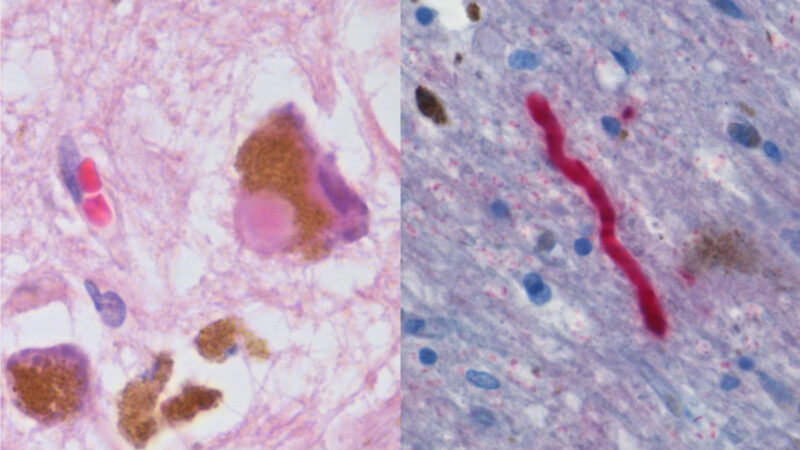
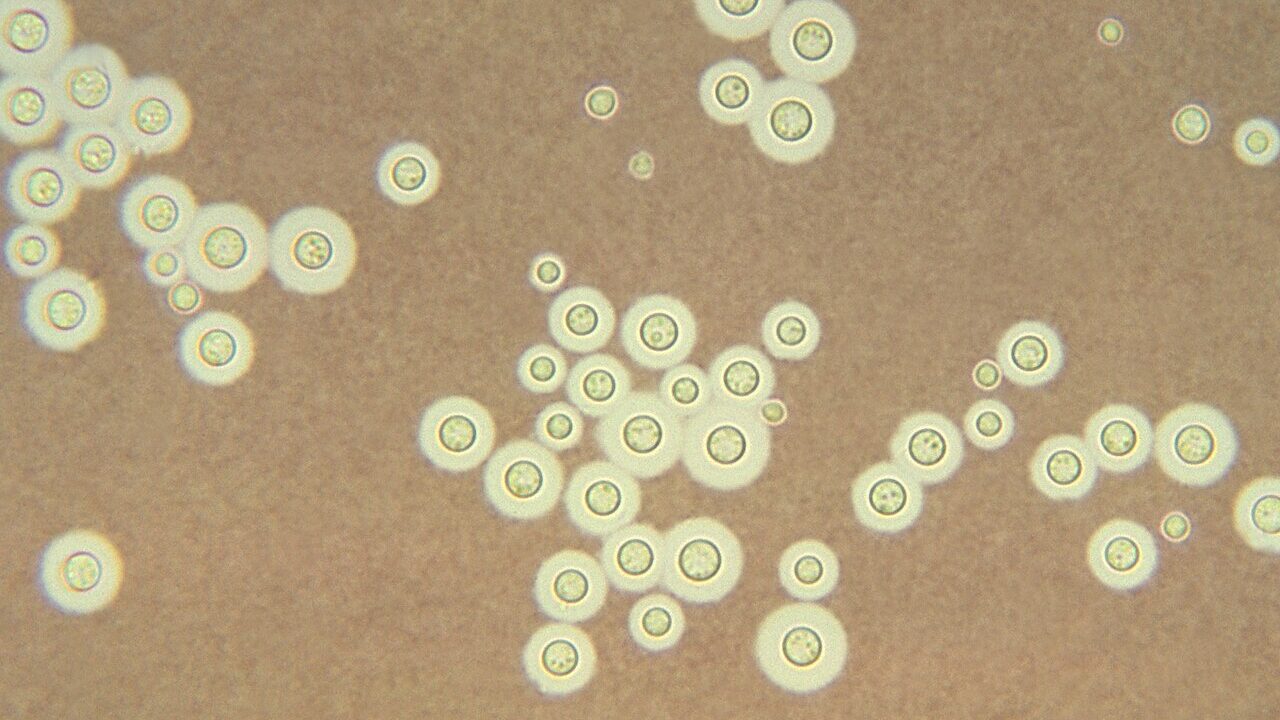
It is the kind of organism most doctors will never see, and a growing number are seeing. Federal surveillance data published in the CDC’s Morbidity and Mortality Weekly Report show detections of Cladophialophora bantiana — a fungus that can invade the brain — roughly quadrupling between 2023 and 2025, with 8 cases in 2024 and 14 in 2025. Small numbers, large implication: the trend line, not the tally, is what has infectious-disease specialists paying attention.
The organism’s reputation precedes the data. C. bantiana infections of the central nervous system carry a fatality rate commonly estimated between 60 and 70 percent, among the grimmest figures in medical mycology, and they can strike people without the obvious immune defects that usually explain opportunistic fungal disease. Diagnosis is difficult, treatment is difficult, and both difficulties compound when clinicians have no reason to suspect a pathogen they have never encountered.
Laboratory experts such as the University of Washington’s Joshua Lieberman have been among those urging the field to take environmental fungi seriously as a changing risk. The broader context is a fungal threat landscape that researchers believe is expanding — as climates shift, as construction and agriculture stir soil organisms into new contact with people, and as modern medicine keeps more immunocompromised patients alive and therefore exposed. A fourfold rise in detections also raises detection itself as an explanation: better laboratory identification finds cases that a decade ago would have been filed under mystery.
The MMWR is the CDC’s first-draft ledger of American public health, and items like this one are its early-warning function in action. Nobody is predicting an epidemic of brain fungus; the absolute numbers remain tiny. What the data argue is that rare no longer means negligible, and that hospitals building their diagnostic playbooks should leave a page for organisms that used to be trivia questions.
For now, the signal is a slope, and the slope is up. In infectious disease, that is usually the moment to start paying attention — considerably before the moment when attention becomes unavoidable.
Related reading: A New Option After Surgery: FDA Backs Tecentriq Combination for a High-Risk Colon Cancer · A Paused Hepatitis B Study, a Restart, and a Fight Over What Counts as Ethical · A Year of NAD Boosters, and Parkinson's Did Not Budge