France’s protest movement has a calendar now, and the next two dates on it will decide whether the government’s concessions have worked. Fresh rallies are planned for October 31, ahead of a nationwide strike day, including a joint rail union call, on November 5. Those dates follow a second Saturday, October 24, that was large but less violent than the first, and a Monday, October 26, on which the government offered its most concrete response yet to student anger. The question for the next week is whether that response shrinks the crowds, or simply gives them a new reason to march.
The government’s offer, announced on Monday, was specific. Higher Education Minister Philippe Baptiste announced substantial change to the national online university admissions platform next year, before its replacement in 2028. Ministers also pledged up to 4 billion euros in school renovation loans, alongside smaller classes, more teaching and higher education posts, and increased student grants. The package targets the school grievances that helped ignite the unrest, including complaints about facilities, funding and a system that many students say feels opaque.
Why October 31 matters more than October 24
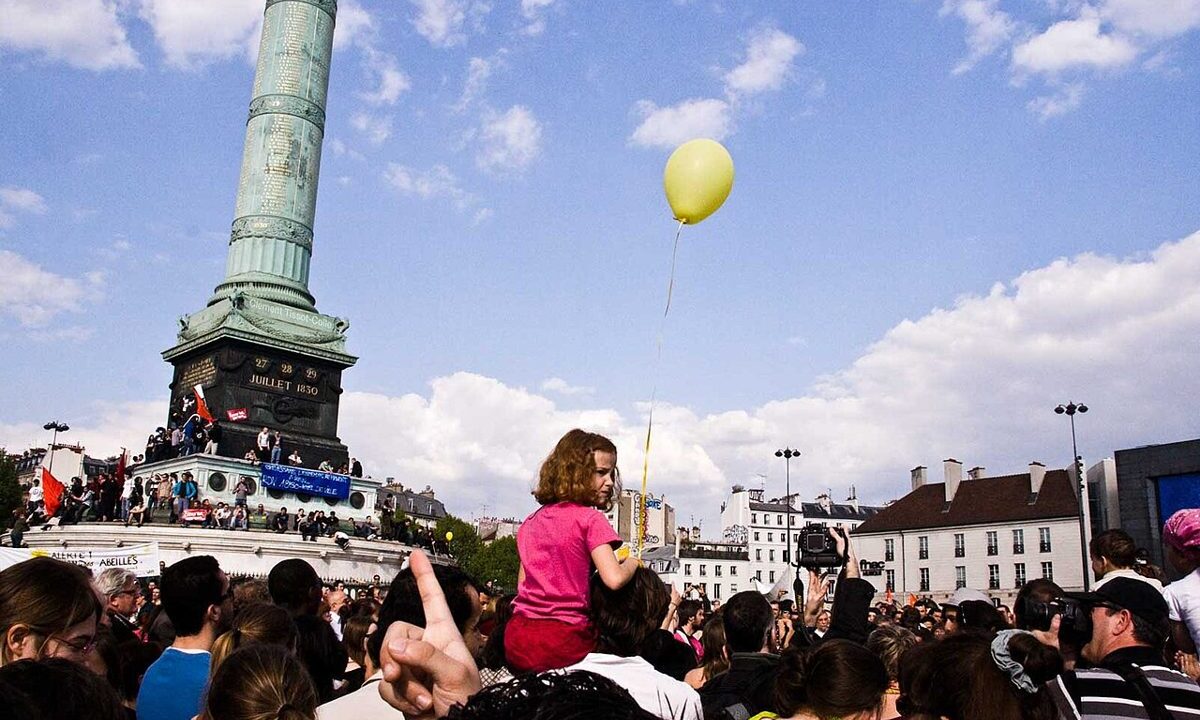
October 24 showed that the movement can sustain itself: the Interior Ministry counted about 410,000 marchers nationwide, including 110,000 in Paris, while the CGT union put the total near 800,000, with 250,000 in Paris. Police arrested 1,314 people, about half the previous Saturday’s total, and looting fell sharply, to 24 businesses from 1,522 the week before. Two high school student groups welcomed some concessions but called for protests to continue after meeting Prime Minister Sebastien Lecornu on Monday, which means October 31 will be the first march held after the government has actually offered something tangible.
That makes October 31 a test of a different kind. If crowds fall sharply, the government can claim its concessions worked and that the movement’s core grievances are being addressed. If crowds hold or grow, it will suggest the movement has moved beyond schools, as many analysts already believe, into a broader protest over living costs, inequality and public services that a schools package cannot settle. Workers have joined students in demanding relief from rising costs, and that wider coalition is harder to satisfy with a single announcement.
November 5 raises the stakes again
November 5 adds a second test, because a nationwide strike day, backed by a joint rail union call, can disrupt travel and daily life in a way that a Saturday march does not. Reports of the concessions describe a government trying to quell anger after its worst unrest in years, and VIP News Hub’s account of the numbers dispute showed why crowd figures themselves become arguments. By November 5, France will know whether its government has bought time, bought peace, or simply bought a week.