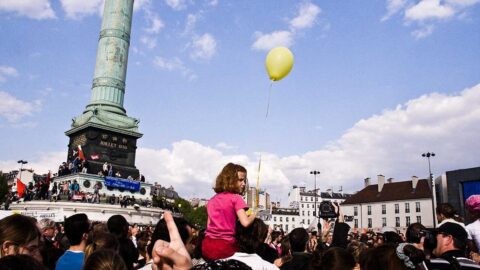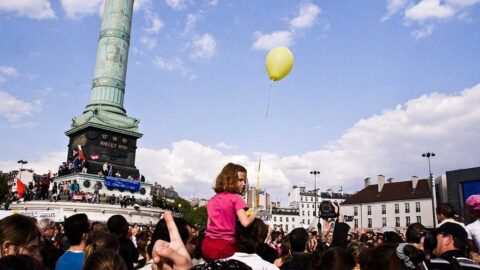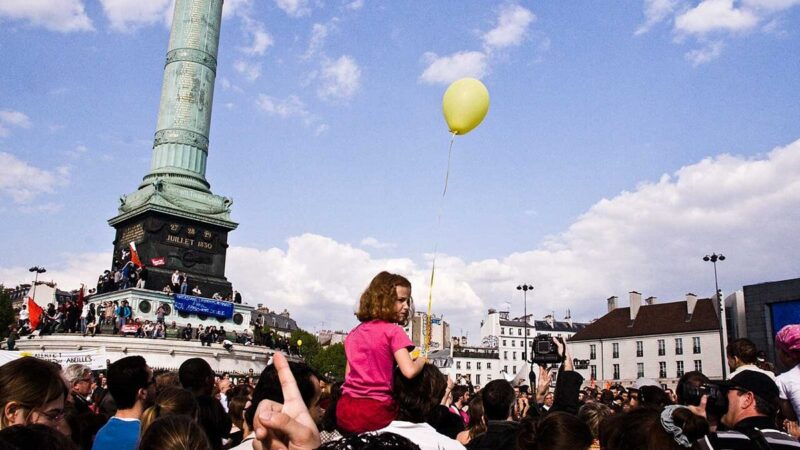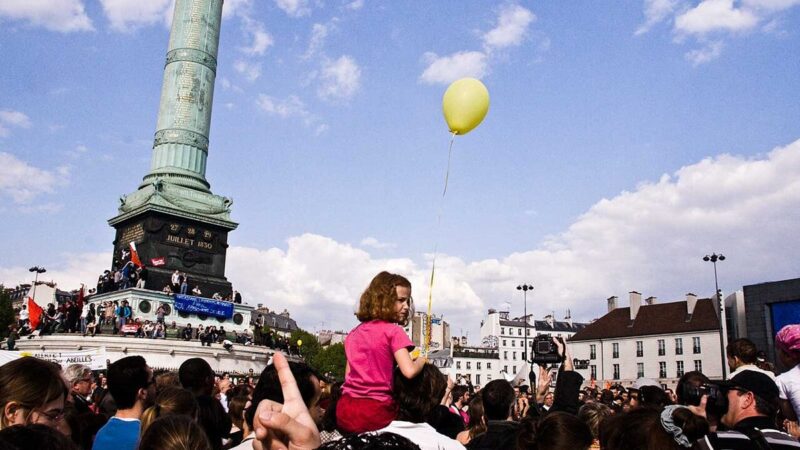
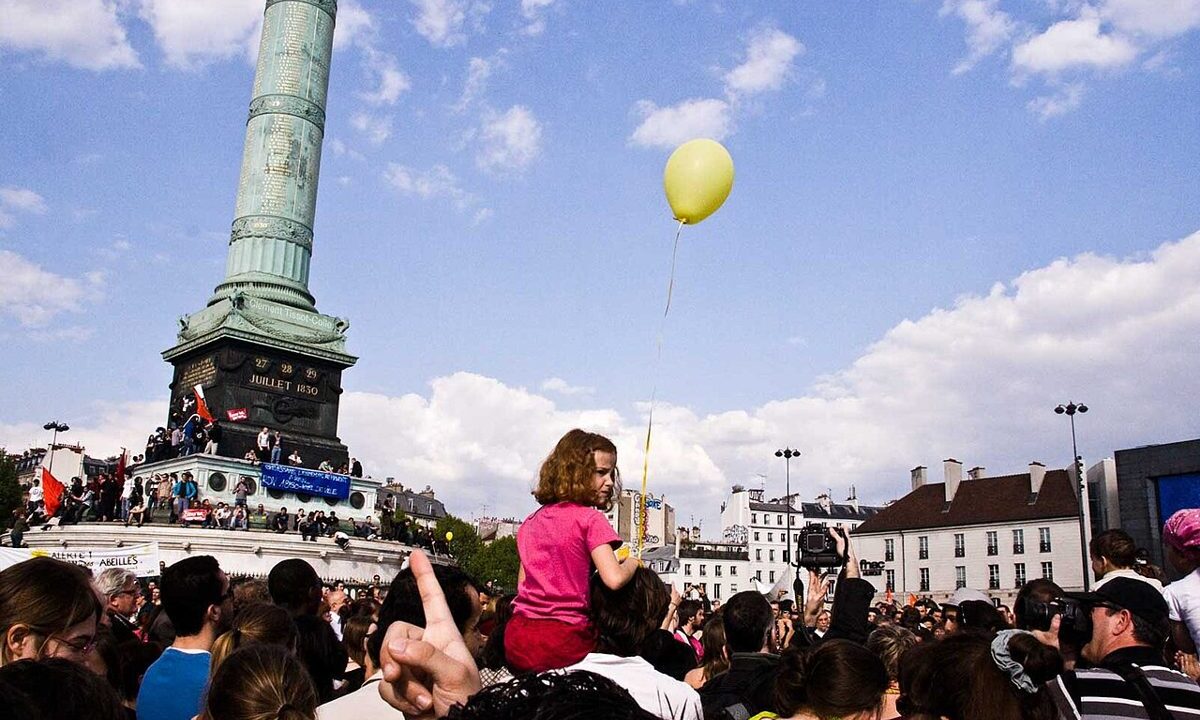
France’s October 24 protests produced two different turnout numbers, and the gap between them is itself part of the story. The Interior Ministry counted about 410,000 marchers nationwide, including 110,000 in Paris, down from 550,000 the weekend before. The CGT union put the national total near 800,000, with 250,000 in Paris. Both numbers cannot be right, and both are reported as if they were, because turnout counting in France is a political act as much as a statistical one. The ministry counts from police observations and aerial estimates. Unions count from their own marshals and local reports. The truth usually lies somewhere between, and the gap tells analysts as much about the state of the movement as the numbers themselves: a movement the government wants to present as shrinking, and a movement unions want to present as growing.
Arrests, injuries and the security operation
The security figures are less disputed, and they show a different pattern from the turnout debate. Police arrested 1,314 people on October 24, about half the 2,628 arrested on October 17, and deployed about 70,000 police and gendarmes backed by helicopters and armoured vehicles. Clashes broke out near the end of the Paris march and in several other cities, with tear gas, sound grenades and water cannon used, and street fires in Marseille and Lyon. Looting fell sharply, to 24 businesses from 1,522 the week before, a figure that suggests the heavy security operation succeeded in its narrow goal of preventing a repeat of the October 17 disorder. Rallies were banned in Lyon, Nice and Montpellier, the Paris march was kept to the city’s southeastern edge, and the Louvre and other major museums closed for the day, measures that critics say restricted civil liberties even as they prevented looting.
Why the numbers matter for what comes next
The turnout debate will matter again this week, because the next round of protests will be counted the same way. Yellow Vest organisers have called a pots and pans rally outside the National Assembly on October 30, with further demonstrations on October 31 and a nationwide strike day on November 5. If the ministry counts the October 31 rallies as smaller than October 24, the government will claim the movement is fading. If unions count them as larger, they will claim it is growing. Neither claim will settle the underlying question, which is whether a movement that began with students and broadened into a cost of living protest can sustain a coalition across classrooms, workplaces and the Yellow Vest movement. The France protest turnout report captures both counts and the arrests, and readers should hold both in mind. In French protest politics, the number is never just a number. It is an argument, made by whoever counts it.