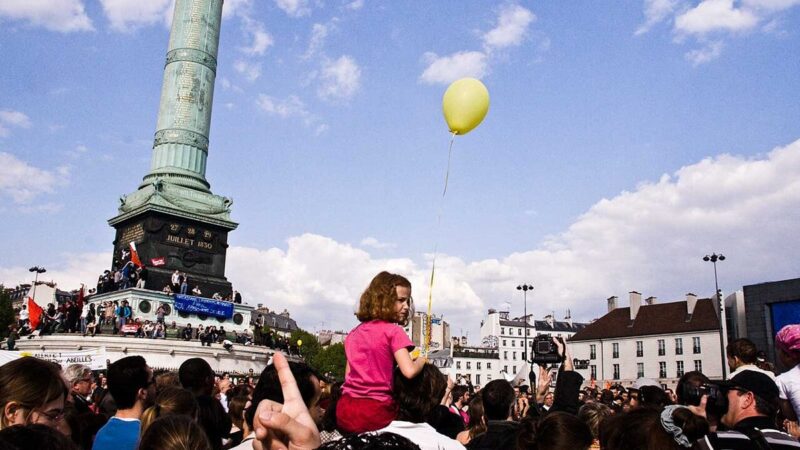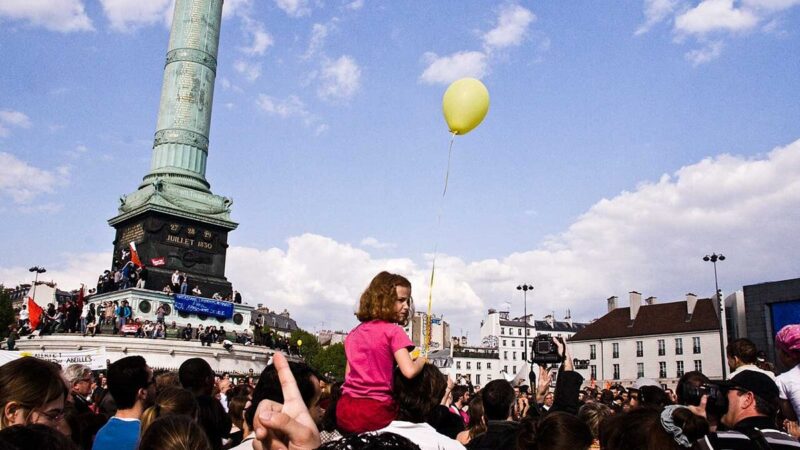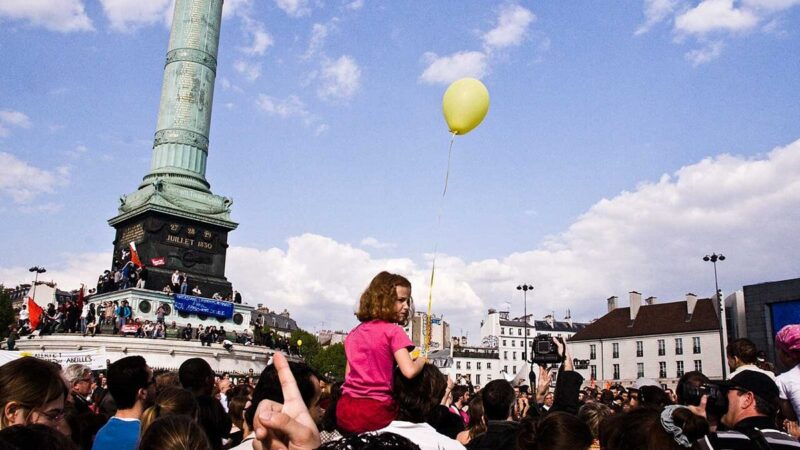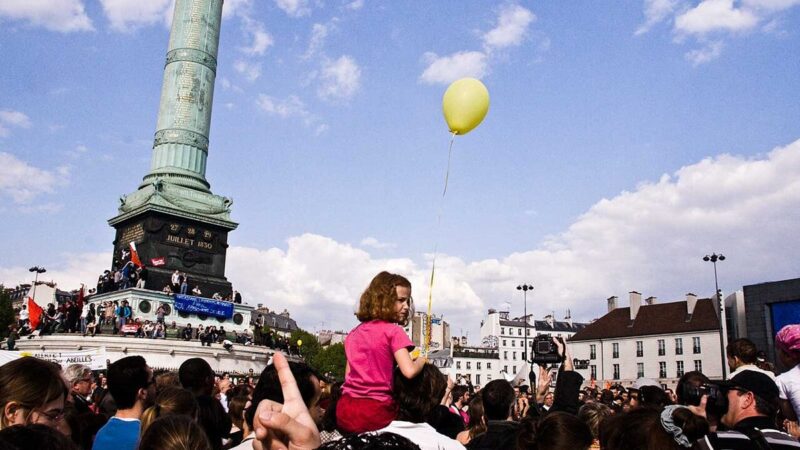
French teachers have delivered their verdict on the government’s education package, and it is not the one Paris hoped for. Teachers said on Tuesday that the reforms announced on Monday were insufficient and would not be enough to quell students’ anger, according to Reuters. Sophie Venetitay, secretary general of the SNES-FSU teachers’ union, told reporters that the measures did not go far enough, that more classes should be capped and more people hired, and that what the ministry had said was only the beginning of a response.
The package itself was not small. France pledged to replace the Parcoursup university admissions platform by 2028, with clearer criteria and explanations for refusals from 2027, 15,000 additional higher education places, student grants linked to inflation from 2027, a cap of 28 pupils on some disadvantaged high school classes, 500 new secondary teaching jobs, up to 4 billion euros in low interest loans for school renovation and 1 billion euros for universities. Budget Minister David Amiel said the measures are expected to cost 5 billion euros, offset by spending cuts elsewhere. Teachers said the education measures fall short because, in their view, the package addresses the symptoms of understaffing without hiring at the scale the system needs.
Why teachers matter to the movement
Teachers are not bystanders in a student protest. They are the witnesses who confirm, or deny, the students’ account of conditions in schools. When a teachers’ union survey finds more than half of schools facing staffing shortages this academic year, and when pupils describe lessons without teachers for long stretches, the teachers’ verdict carries weight that a ministerial announcement does not. Venetitay’s phrase, that the ministry’s response will not be enough to extinguish the anger, is therefore more than rhetoric. It is a prediction from the profession that must implement the reforms.
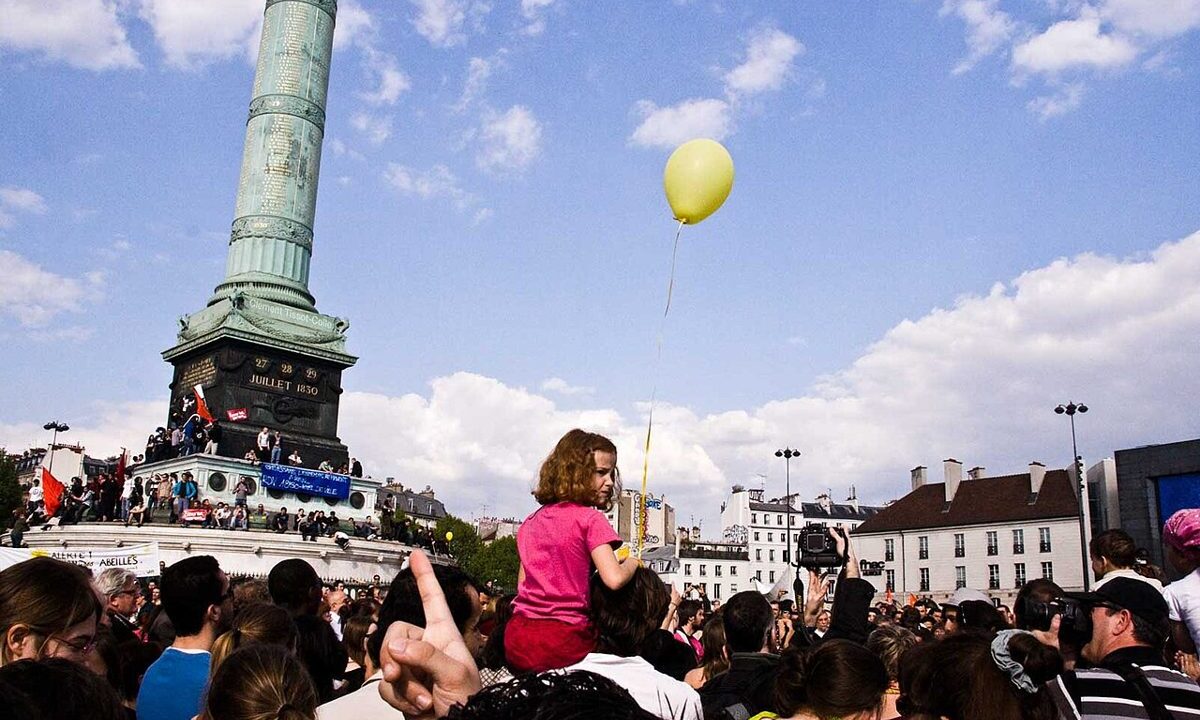
Student leaders have reached the same conclusion from the other side, vowing to continue demonstrations on Saturday and on November 5. The movement, which began with school blockades in September over inadequate staffing and resources, has widened to trade unions and cost of living demonstrators, and that widening makes an education only settlement less likely to end it.
The fiscal bind
The government faces a bind that neither side can wish away. Under pressure from bond markets to reduce debt, it has little spare cash to respond to protesters’ demands, and Amiel’s offsetting cuts will themselves create losers. Hiring at the scale teachers want would cost more, and would require either higher taxes, deeper cuts elsewhere, or higher borrowing. None of those options is politically easy in a minority government. The result is a package that is real, substantial and, in the eyes of those it is meant to satisfy, still not enough. Saturday will test whether that gap can be negotiated, or whether it will be settled on the streets.