The most honest document in any campaign is its television buy, and this week the television buy in North Carolina’s Senate race told a brutal story. The campaign of Republican nominee Michael Whatley has paused its TV advertising, while the Senate Leadership Fund — the super PAC aligned with Senate Republican leadership, which has already spent heavily in the state — redirected resources toward Kansas and Texas instead.
Money in politics rarely leaves a race it expects to win. The public explanation in such moments is always about efficiency and timing; the private arithmetic is about triage. Roughly $30 million has been spent or committed by the Senate Leadership Fund in North Carolina, and its strategists are now reported to be weighing that sunk cost against newer emergencies elsewhere on the map — states where Republican nominees suddenly look more salvageable than Whatley does.
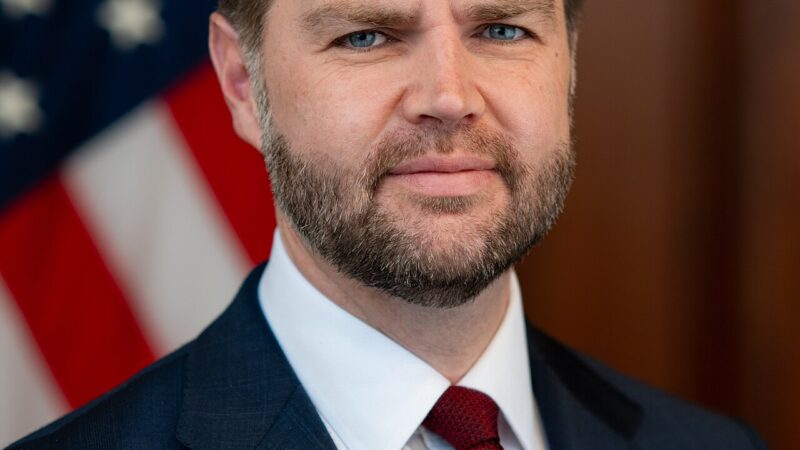
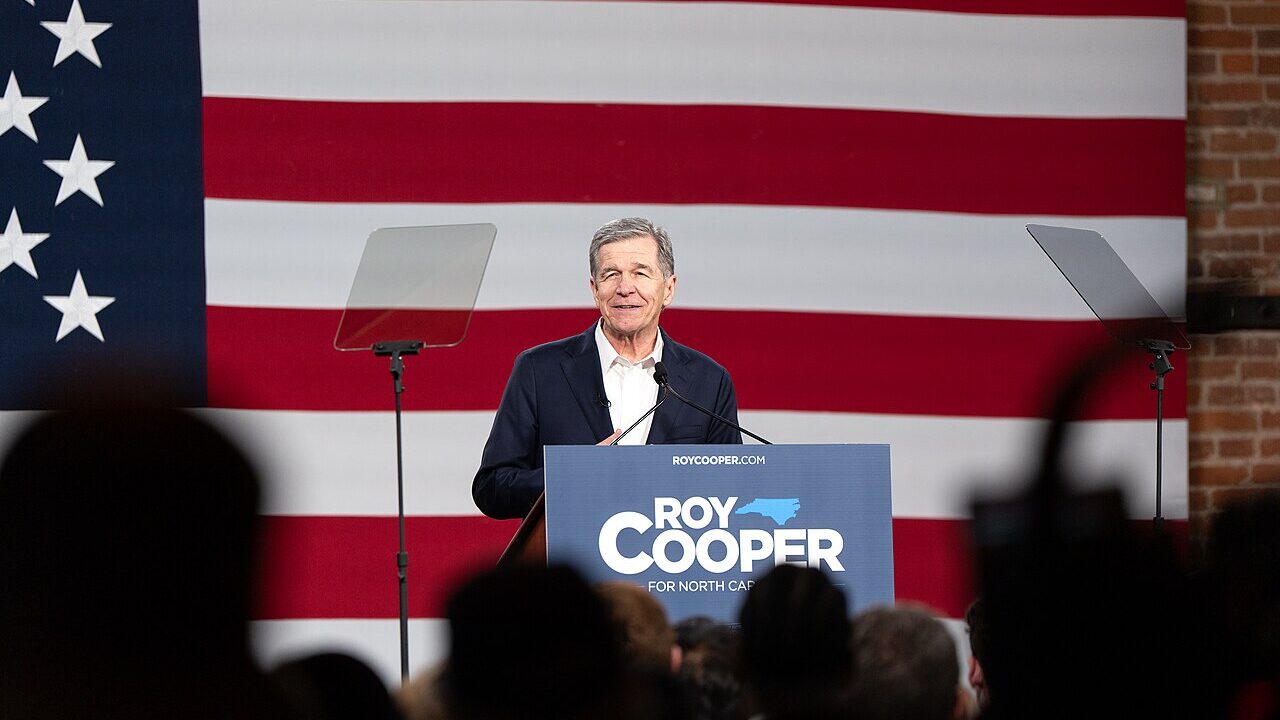
Whatley, the former Republican National Committee chairman, was supposed to be the safe pair of hands: a nominee with the president’s confidence, a fundraiser’s Rolodex and no primary scars. Instead he has run persistently behind former governor Roy Cooper, a Democrat whose two terms in Raleigh left him with the kind of cross-party familiarity that North Carolina’s ticket-splitting voters reward. Recent polling has put Cooper ahead by around nine points — not a blowout, but the sort of margin that makes super PAC accountants reach for their pencils.
An advertising pause is not a surrender, and both camps will say so, correctly. Campaigns bank money for the final fortnight; super PACs reshuffle and sometimes reshuffle back. But the sequence — pause at the campaign, redirection at the PAC — amounts to the market rendering a verdict that no press release can talk its way around: professional Republicans are pricing North Carolina as a probable loss and insuring against worse ones elsewhere.
For Cooper, the task now is the disciplined one of protecting a lead without appearing to measure curtains. For Whatley, it is more basic — getting back on television, in a state where being off the air in October is close to being out of the race entirely.
Related reading: At the White House, Columbus Gets His Day Back · A Flu, a Taunt, and a Debate Challenge: Texas's Senate Race Turns Personal · In Fairbanks, Vance Calls Alaska the Firewall — With Peltola Ahead