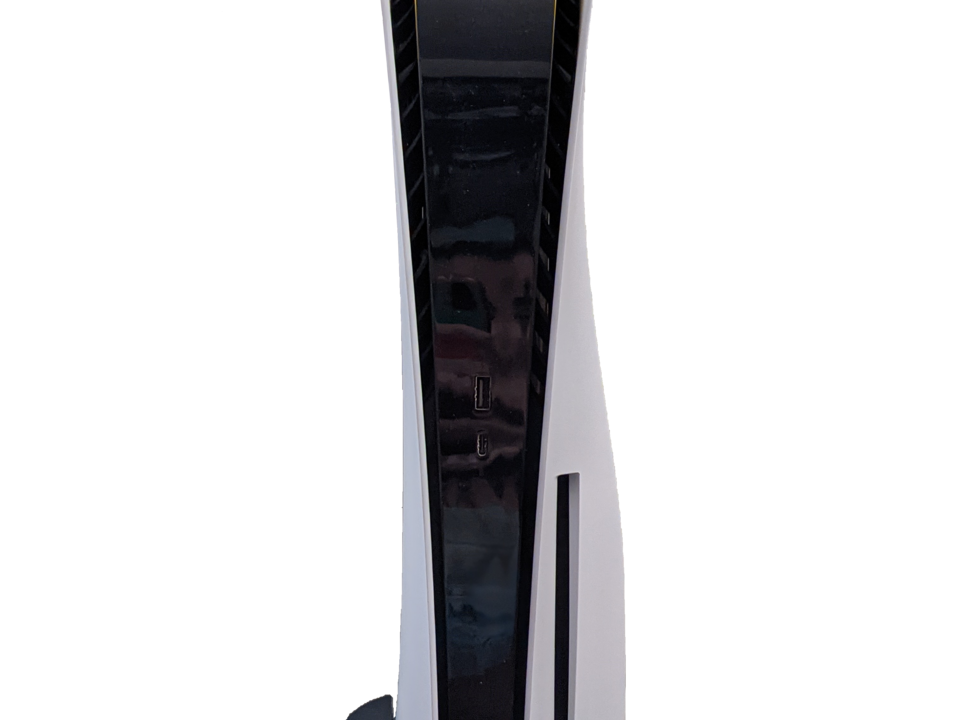
Sony has begun rolling out its QSSR artificial-intelligence upscaling technology to the standard PlayStation 5, narrowing one of the most visible gaps between the base console and its pricier Pro sibling. The feature uses machine learning to render games at a lower internal resolution and reconstruct a sharper image — the same basic trick that has defined this console generation’s graphics arms race.
Upscaling is, at this point, the industry’s agreed answer to an impossible equation. Players want 4K images at high frame rates; the silicon that can produce both natively, in every game, at console prices, does not exist. AI upscaling splits the difference: render cheap, reconstruct smart, and let the player’s eye accept the result. Sony’s move brings its standard hardware — the machine the overwhelming majority of its customers actually own — into that regime more fully.
The competitive context is impossible to miss. Console makers no longer compete solely on launch-day hardware; they compete on how much better the box under the television gets over its life. Software features that once would have headlined a new model now arrive as updates, and each one quietly extends the commercial life of the installed base while giving late buyers a reason to choose the cheaper machine without feeling they have chosen the compromised one.
For developers, wider upscaling support matters in a practical way: features adopted across the whole PlayStation 5 family are features worth engineering for. A technology confined to the Pro model is a garnish; the same technology on the standard console becomes part of the baseline every studio designs against — which is how image quality across an entire catalogue rises without anyone buying new hardware.
Sony has not framed the rollout as anything grander than an improvement, and it does not need to. The mid-generation console business runs on increments like this one: the machine you bought years ago gets visibly better on an ordinary weekday, and the upgrade itch is postponed by exactly that much. In a market where the next full hardware leap is years away, that is not a footnote. That is the strategy.
Related reading: Eleven Companies, $2.4 Billion, One Mission: Washington Recruits Its AI Champions · Arena Wants to Grade the Machines. Investors Just Gave It $200 Million to Try. · Xbox Builds an XP Division, and Kayleen Walters Gets the Keys