Delta Air Lines has spent years teaching Wall Street to think of it as the industry’s reliable compounder — the airline that makes money in quarters when rivals explain themselves. Its third quarter came with an asterisk shaped like a fuel invoice. Adjusted earnings per share landed at $1.72, just under the roughly $1.77 analysts had pencilled in, on revenue of $17.59 billion, and the airline trimmed its full-year outlook to between $5.10 and $5.60 a share. The culprit, by the company’s own accounting, is about $6 billion in added fuel costs.
Chief executive Ed Bastian did not try to dress the miss up as anything else. Delta’s message to investors was that the demand engine — premium cabins, corporate travel, the steady monetisation of its loyalty programme — remains intact, while the cost side of the ledger has been ambushed by a fuel market that moved faster than fares could follow. Airlines hedge, lag and absorb in different proportions; this quarter, Delta absorbed.
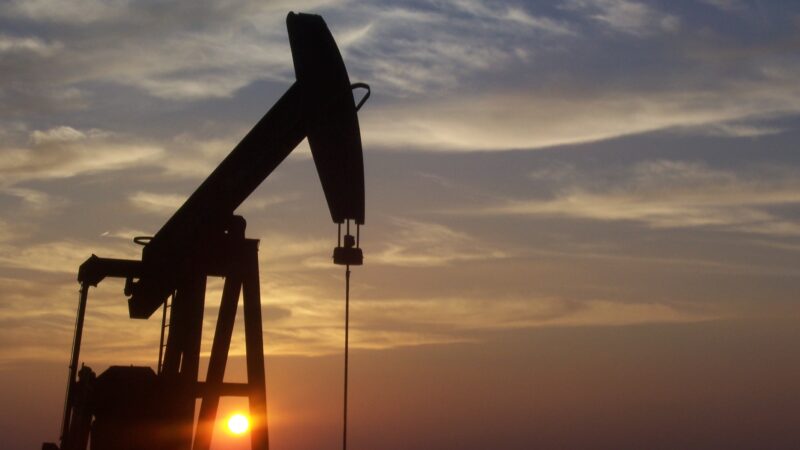
The trimmed guidance matters more than the dime-and-a-nickel miss. Delta is the carrier rivals benchmark themselves against, and a reduced full-year range from Atlanta tends to reset expectations from Fort Worth to Chicago. Fuel spikes have historically been the industry’s great leveller, compressing the gap between well-run airlines and the rest — one reason Delta’s stock, and the sector’s with it, tends to trade the oil price first and the earnings print second.
There is also a quieter story in the numbers: the premium traveller has not blinked. The revenue lines Delta has spent a decade building — first-class upsells, co-branded card economics, a network tilted toward travellers who buy certainty — held up well enough that a $6 billion cost problem produced a guidance trim rather than a guidance collapse. A generation ago, that fuel bill would have meant red ink and a restructuring rumour. This quarter it meant a slightly smaller number next to the full-year forecast.
Bastian’s task now is the unglamorous one: passing costs through where the market allows, trimming where it does not, and waiting for the fuel curve to do what fuel curves eventually do. Delta’s quarter was not a crisis. It was a reminder that even the best-run airline in America still buys its most important input by the barrel.
Related reading: Clay Gaspar Sells the Eagle Ford, and Devon Gets Simpler · Dana Nessel Takes On Michigan's Health Insurance Giant · Nik Storonsky Built Revolut in London. He Wants Its Listing in America.