The logos vanished first. In the run-up to Disinfo2026, a conference in Vilnius devoted to countering disinformation, the European Union’s diplomatic service, the government of Canada and Lithuania’s own institutions withdrew their sponsorship and branding from the event — a retreat that, according to reporting on the episode, followed pressure from the US State Department.
The sequence matters more than the logos themselves. Disinformation research has become one of the most contested fields in transatlantic politics: what one capital calls counter-propaganda work, another calls censorship infrastructure. The Vilnius gathering sat squarely in that fault line, and the reported American pressure — applied to allies, about a conference on allied soil — turned a routine sponsorship decision into a small case study of how the argument is now conducted.
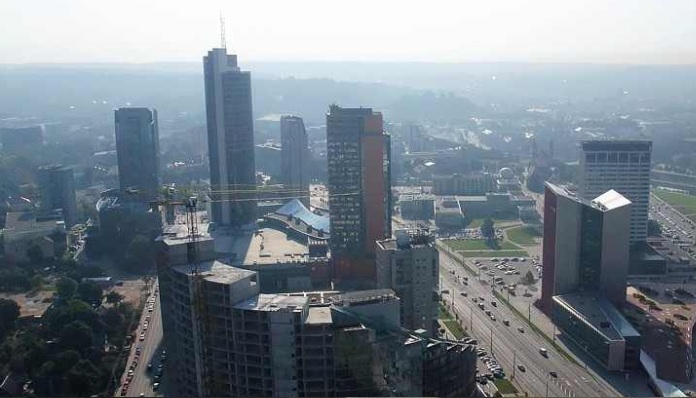
Lithuania was an pointed choice of venue. Few EU states speak about information warfare with more authority born of experience; Vilnius has built a genuine expertise industry around Russian influence operations. That Lithuanian institutions were among those stepping back from the event underlined how effective the pressure reportedly was — and how completely the politics of this field have inverted in a few short years.
Organisers, notably, pressed ahead. Conferences survive lost logos; fields survive lost patrons less easily. Researchers in the disinformation space have watched funding, institutional homes and political cover erode across several Western countries, and the Vilnius withdrawals will be read by practitioners as one more data point in that pattern — whatever one’s view of the work itself.
The State Department has not, in the reporting available, dressed the episode up as anything grander than a position on a conference. That may be the most significant part. When sponsorship of a disinformation conference becomes a lever of allied diplomacy, the argument about who gets to define falsehood has fully arrived at the level of statecraft.
Related reading: Putin and Pezeshkian Take Center Stage as CIS Leaders Mark 35 Years in Avaza · In Putrajaya, Anwar Ibrahim Sits Down With Myanmar's Min Aung Hlaing · From Texas, Eduardo Bolsonaro Now Faces an Arrest Warrant at Home