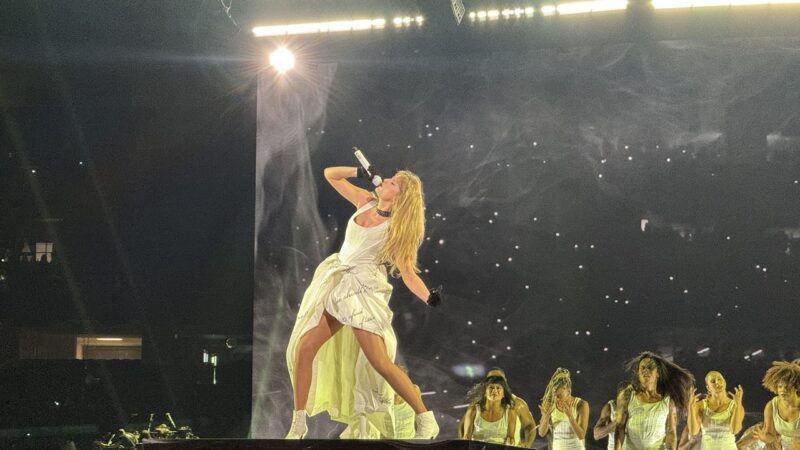
The Met Gala 2027 exhibition puts everyday clothes in the spotlight, turning fashion biggest night toward the ordinary garments that people actually wear. The choice is a deliberate break from the spectacle that usually defines the event, where the red carpet rewards the most elaborate, most expensive and most talked about creations. An exhibition about everyday clothes asks a different question: what do the clothes we wear without thinking say about who we are, and why does fashion so rarely take them seriously. It is a quiet theme for a loud night, and that is the point.
Why it matters
The Costume Institute exhibition is the engine of the Met Gala, and its theme sets the terms for the evening. Designers, celebrities and stylists respond to the exhibition with outfits that interpret it, and the results are photographed, debated and memed around the world. An everyday clothes theme gives them a harder task than a theme about fantasy or history, because it asks for invention within limits that everyone recognises. A ball gown can be anything. A shirt, a pair of jeans, a work jacket must still be recognisable as what they are, and the creativity must live in the detail.
The choice also reflects a wider shift in fashion itself. The industry has spent years arguing about sustainability, about overproduction, and about the distance between the runway and the street, and an exhibition about everyday clothes is a way of joining that argument. The garments that fill most wardrobes are made to be worn, washed and worn again, and they carry the marks of that use. To put them in a museum is to argue that durability, comfort and familiarity are values worth celebrating, and that fashion does not only live in the extraordinary.
What happens next
For the audience, the theme changes what the night means. The Met Gala is watched by millions of people who will never attend it, and its appeal has always been a mixture of glamour and distance: clothes that no one in the audience will ever wear, worn by people whose lives are unlike their own. Everyday clothes narrow that distance. The audience knows these garments, owns versions of them, and can judge the interpretations against their own experience. That makes the night more accessible, and it makes the fashion more interesting, because the reference point is shared.
What happens next is the long build up to the first Monday in May, when the exhibition opens and the gala follows. The theme will be debated, the guest list will be speculated about, and designers will begin the work of turning the ordinary into the memorable. The exhibition itself will be judged on whether it can make the familiar feel new, and the gala will be judged on whether its guests understood the assignment. If both succeed, the 2027 Met Gala will be remembered not for its excess, but for its restraint, and for the idea that the most interesting clothes are the ones we already own.